Anatomy of a Silent Valley: Olive Groves of the Peloponnese
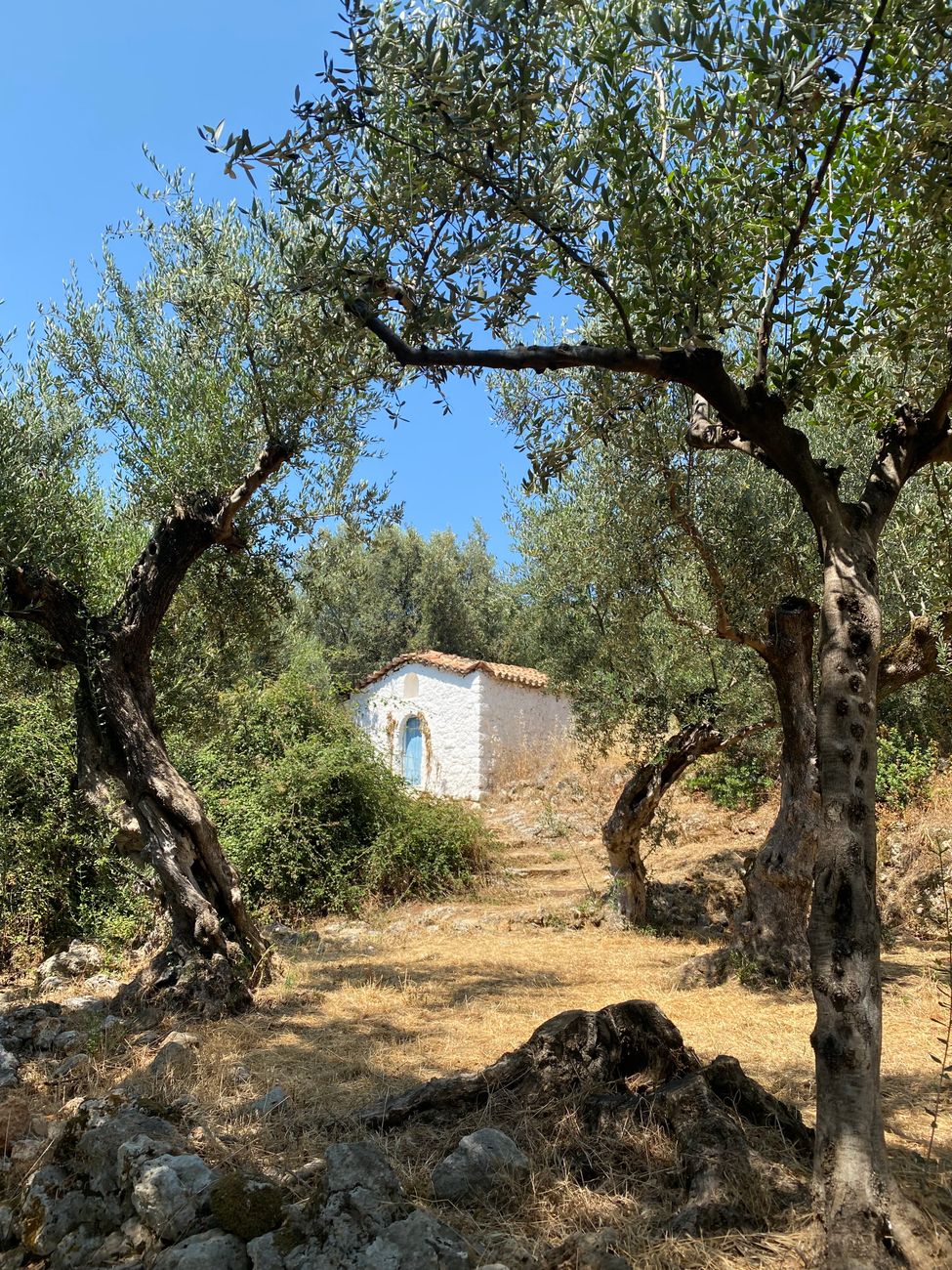
The wind off the Gulf of Laconia does not announce itself; it simply arrives over the grey limestone ridges, bearing the scent of scorched oregano and sun-bleached thyme.
Here in the southern reaches of the Peloponnese, stone settlements cling to vertical ravines with the stubborn resilience of the olive trees that sustain them. While coastal resort enclaves prioritize high-velocity tourism, the inner valleys of Mani continue an unhurried rhythm that has persisted since Byzantine chronicles first surveyed this ground.
The Geometry of Ancient Stone Terraces
To walk the terraces of Kardamyli is to observe human patience sculpted directly into terrain. Hand-built drystone retaining walls, known locally as pezoules, prevent rare winter rainfall from scouring topsoil into the sea. Without mortar, every block settles naturally under gravity, providing nesting cavities for mountain songbirds and cooling drafts for delicate root systems.
We met with Kostas Dimas, an eight-generation caretaker of trees dating back before Venetian occupations. Kostas rejects industrial mechanization during the harvest months between November and January. Canvas tarps are spread by hand across the bedrock, and branches are shaken with hand rakes of polished ash wood.
Cold Pressing & The Language of Acidity
In the village cooperative, modern continuous-cycle stainless centrifuges have replaced stone mill wheels, yet the governing philosophy remains monastic. The fruit is milled within six hours of harvesting, maintaining temperatures beneath 24 degrees Celsius.
The resultant elixir is cloudy, violently emerald, and tastes intensely of fresh cut grass, green almond hulls, and white peppercorn. When drizzled over warm sourdough baked over wild fig wood embers, the meal transcends conventional nutrition—it becomes an anchor in geological time.
Field Notes for the Mindful Visitor
- Best Season: Mid-October through late November, when harvest begins and autumn mist blankets the Taygetos slopes.
- Accommodation: Restored stone defense towers operated as low-impact guesthouses around Areopoli.
- Respect: Always seek permission before traversing active harvest terraces and refrain from gathering fruit fallen on footpaths.